
From 3 Days to a Strong Temporary Order: How Settlyd Made the Difference

When a family law attorney is retained just three days before a temporary hearing, the margin for error disappears. That was the reality in a high-conflict divorce involving a 17-year marriage, three children (ages 14, 12, and 10), and a significant income imbalance. The husband, an attorney earning $450,000 annually plus a $50,000–$100,000 bonus, controlled the finances and maintained a demanding work schedule. The wife, with a B.A. in Literature from UNC Asheville, had been a full-time homemaker throughout the marriage and now needed immediate financial stability.
The attorney’s challenge was clear: quickly assemble credible, court-ready financials to support requests for temporary alimony, child support, and exclusive use of the marital home.
Enter Settlyd’s Client Portal and Financial Affidavit tools.
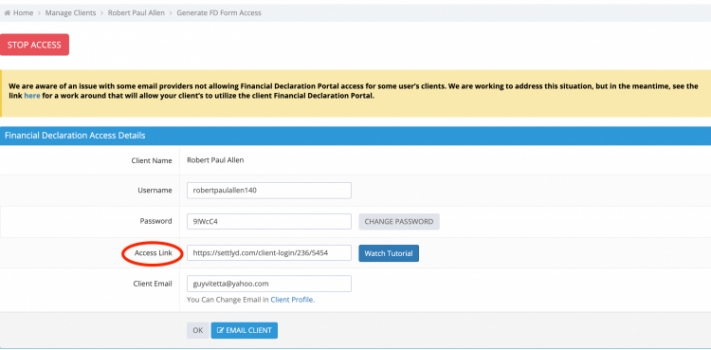
Within hours, the client portal allowed the wife to begin entering her financial information in a structured, guided format. Instead of chasing documents and piecing together incomplete disclosures, the attorney received organized, real-time data. Expenses, assets, and liabilities were captured efficiently, reducing guesswork and eliminating delays that often derail last-minute preparation.
Settlyd’s Financial Affidavit feature then transformed this raw data into a polished, court-ready document. This ensured accuracy, completeness, and—critically—credibility. In a case involving a high-earning spouse, even small inconsistencies can undermine the entire presentation. Here, the affidavit provided a clear and defensible snapshot of the wife’s financial needs and the marital standard of living.
The real strategic advantage, however, came from Settlyd’s Net Income Worksheet. By analyzing the husband’s full compensation—including salary and bonus—the attorney was able to present a realistic picture of available income. This allowed for a well-supported proposal for temporary alimony that reflected both the husband’s earning capacity and the wife’s complete financial dependence.
At the hearing, the attorney was able to present clean, organized, and persuasive financial evidence despite the compressed timeline. The result: a favorable temporary order that provided the wife with meaningful spousal support, appropriate child support, and the ability to remain in the marital home with the children.
In high-pressure situations, preparation is everything. Settlyd turned three days into enough time—not just to prepare, but to win.
From 3 Days to a Strong Temporary Order: How Settlyd Made the Difference
When a family law attorney is retained just three days before a temporary hearing, the margin for error disappears. That was the reality in a high-conflict divorce involving a 17-year marriage, three children (ages 14, 12, and 10), and a significant income imbalance. The husband, an attorney earning $450,000 annually plus a $50,000–$100,000 bonus, controlled the finances and maintained a demanding work schedule. The wife, with a B.A. in Literature from UNC Asheville, had been a full-time homemaker throughout the marriage and now needed immediate financial stability.
The attorney’s challenge was clear: quickly assemble credible, court-ready financials to support requests for temporary alimony, child support, and exclusive use of the marital home.
Enter Settlyd’s Client Portal and Financial Affidavit tools.
Within hours, the client portal allowed the wife to begin entering her financial information in a structured, guided format. Instead of chasing documents and piecing together incomplete disclosures, the attorney received organized, real-time data. Expenses, assets, and liabilities were captured efficiently, reducing guesswork and eliminating delays that often derail last-minute preparation.
Settlyd’s Financial Affidavit feature then transformed this raw data into a polished, court-ready document. This ensured accuracy, completeness, and—critically—credibility. In a case involving a high-earning spouse, even small inconsistencies can undermine the entire presentation. Here, the affidavit provided a clear and defensible snapshot of the wife’s financial needs and the marital standard of living.
The real strategic advantage, however, came from Settlyd’s Net Income Worksheet. By analyzing the husband’s full compensation—including salary and bonus—the attorney was able to present a realistic picture of available income. This allowed for a well-supported proposal for temporary alimony that reflected both the husband’s earning capacity and the wife’s complete financial dependence.
At the hearing, the attorney was able to present clean, organized, and persuasive financial evidence despite the compressed timeline. The result: a favorable temporary order that provided the wife with meaningful spousal support, appropriate child support, and the ability to remain in the marital home with the children.
In high-pressure situations, preparation is everything. Settlyd turned three days into enough time—not just to prepare, but to win.